
I’d last read Rooney at the start of the pandemic. But then I heard the author read an extract of her new novel, Intermezzo, on the New Yorker Fiction Podcast in the summer, (you can listen here), when two of the protagonists meet at a chess tournament, and I experienced something quite different. A thrilling moment, both tender and absurdist. Intermezzo already felt like a departure …
In this new work, Sally Rooney writes in a style not present in Normal People. It’s more reminiscent of a Samuel Beckett short story – terse and internalized, and like Beckett’s prose, it packs an emotional punch.
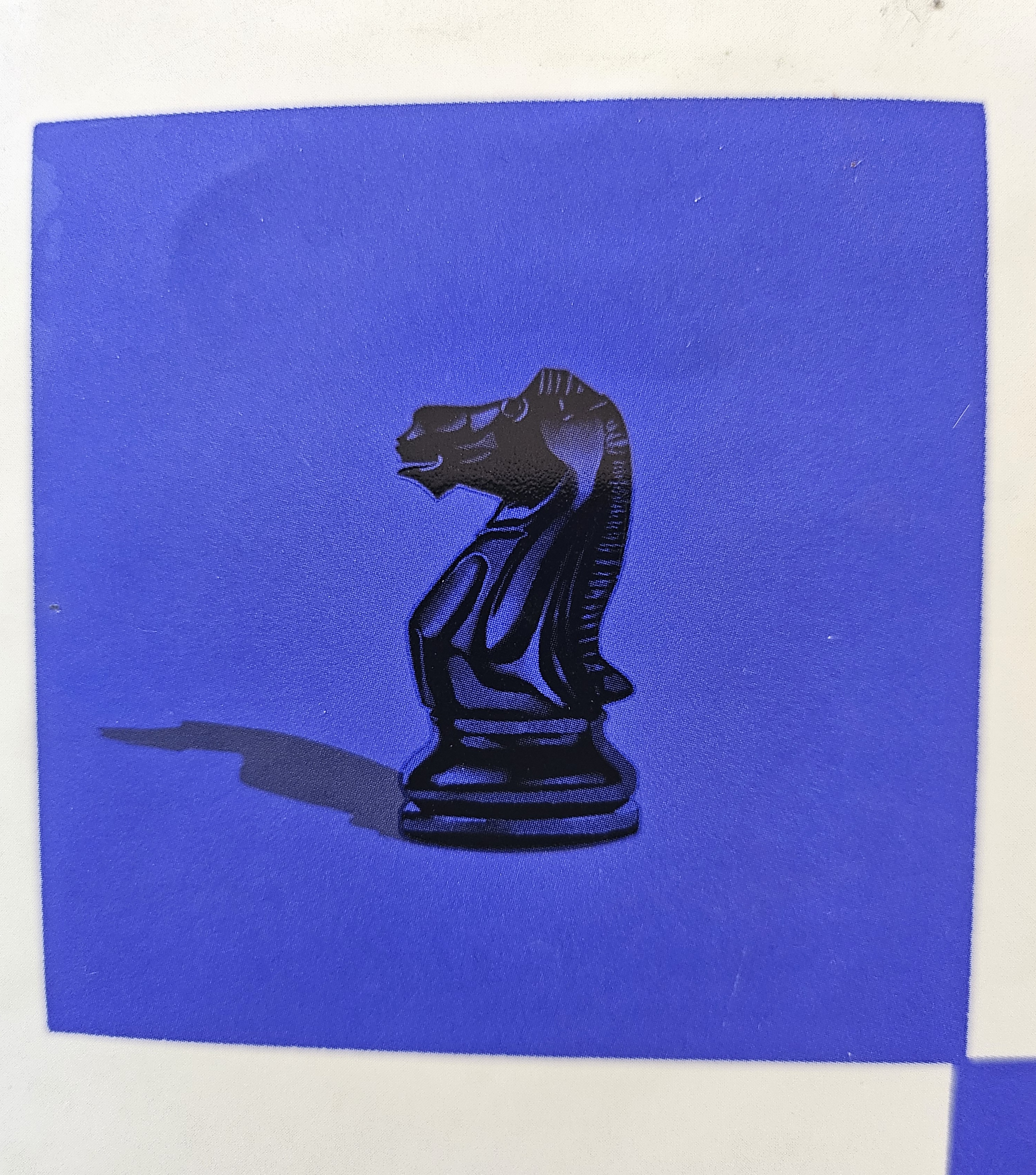
We sit inside the mind of Peter Koubek and sometimes too, the brain of his brother, Ivan. Peter, a barrister, calls the younger Ivan, a chess ‘genius.’ The latter finds his advocate older sibling ‘condescending.’ Sally Rooney moves these two pieces deftly across the plot of Intermezzo as they navigate the taking of a king – the loss of their father.
The desires of the three women in the book we meet mainly through their acts and words. Most skillfully drawn among the quintet of characters is Margaret, a person so sympathetic that her interaction with one of the two men towards the end of the novel felt like the kindest conversation I’d read or seen in years. 22 year old, Naomi, another player on the board, seemed less substantial, but perhaps this is part of her style.
Where Sally Rooney’s writing really flies is in her ability to capture the interplay of live action and a character’s stream of perception. We see fragments of the outer world: a door swinging open, the banter in a pub, and like shards of light on a cubist painting, these outer images are illuminated by the inner worlds of our five. And how rich with feeling these inner worlds. Such delicate humanity in Rooney’s prose.
There is complexity, too, in Peter’s relationship with his ex/not ex Sylvia which feels intriguing and real. Indeed, all of the relationships in the novel which start awkwardly – intentionally so, it seems – develop a rhythm that is captivating to follow, playing out in satisfying sequences, and punctuated by deep philosophical turns that never feel forced.
My favourite of these was a riff on the thinker, Susan Sontag’s aphorism:
‘In place of a hermeneutics we need an erotics of art’*
that Rooney made into:
‘We need an erotics of environmentalism’
(which frankly, as original thought goes, (in this writer’s opinion), sails quite close to the ‘genius’ she ascribes to her chess-playing protagonist!)
I could write at length about the lightness of Rooney’s painterly descriptions of Dublin that hint at enough of an outline for the city to be seen, or the way the author shifts her characters within and around their relationships making us both root for them and want to give them a sound talking to (!) when, (for example – again in the style of Samuel Beckett) – they fail to hear one another or themselves. But it might be better if you read Intermezzo for yourself.

During the pandemic, (like some others, I heard), I found books challenging to stick with. The period itself was bizarre enough, when the very atmosphere of the world seemed to infiltrate my consciousness pulling me away from the immersion of reading. The flicker of the phone screen, social media’s bitesized claims; trying to figure out what to do in a country whose wilderness was its usp (but whose police would no longer let us wander there), all acted on my ability to simply sit down and read.
One great thing the covid crisis brought to the fore, though, and which Rooney does so well in this novel too, is explode the myth that other people have it all figured out. In both scenarios we are given the chance to see the human mess behind closed doors and to soften towards each other all the better for it.
Intermezzo is the first novel I have read since covid that has captured me completely. Enough to put away my phone. To take time to savour its language. Enough to truly care.
The very last lines of the book are what brought the title of this blogpost to mind. Through the character of Peter, Rooney’s lines evoke the mid century author and dramatist, Samuel Beckett’s trademark resolve, through his tramps in Godot, and in The Unnamable when he writes:
‘You must go on, I can’t go on, I’ll go on’
The phrasing of the final line in Rooney’s novel mirrors these words – it is so Beckett, I was at first surprised that his name didn’t feature in Rooney’s afterword (which details other writers’ words or ideas she has drawn on for this novel). But so suffused is Beckett’s sensibility throughout Intermezzo that perhaps his mention would be superfluous; the thanking is in the honouring.
Grief has met me personally this year. Intermezzo, itself a work that handles loss, has been a warm hug, a friend who draws on the ‘genius’ of masters for their solace, an engaging confidante, fresh air.
In brief, I think it’s a masterpiece.
*From Susan Sontag’s essay, ‘Against Interpretation’ (1964)
I review crime novels, contemporary fiction and nonfiction. If you enjoyed this post feel free to get in touch via social media here , and you can follow this blog by going here and clicking on ‘Follow Muscat Tales.’ Or leave a comment below… 🙂
 Muscat Tales